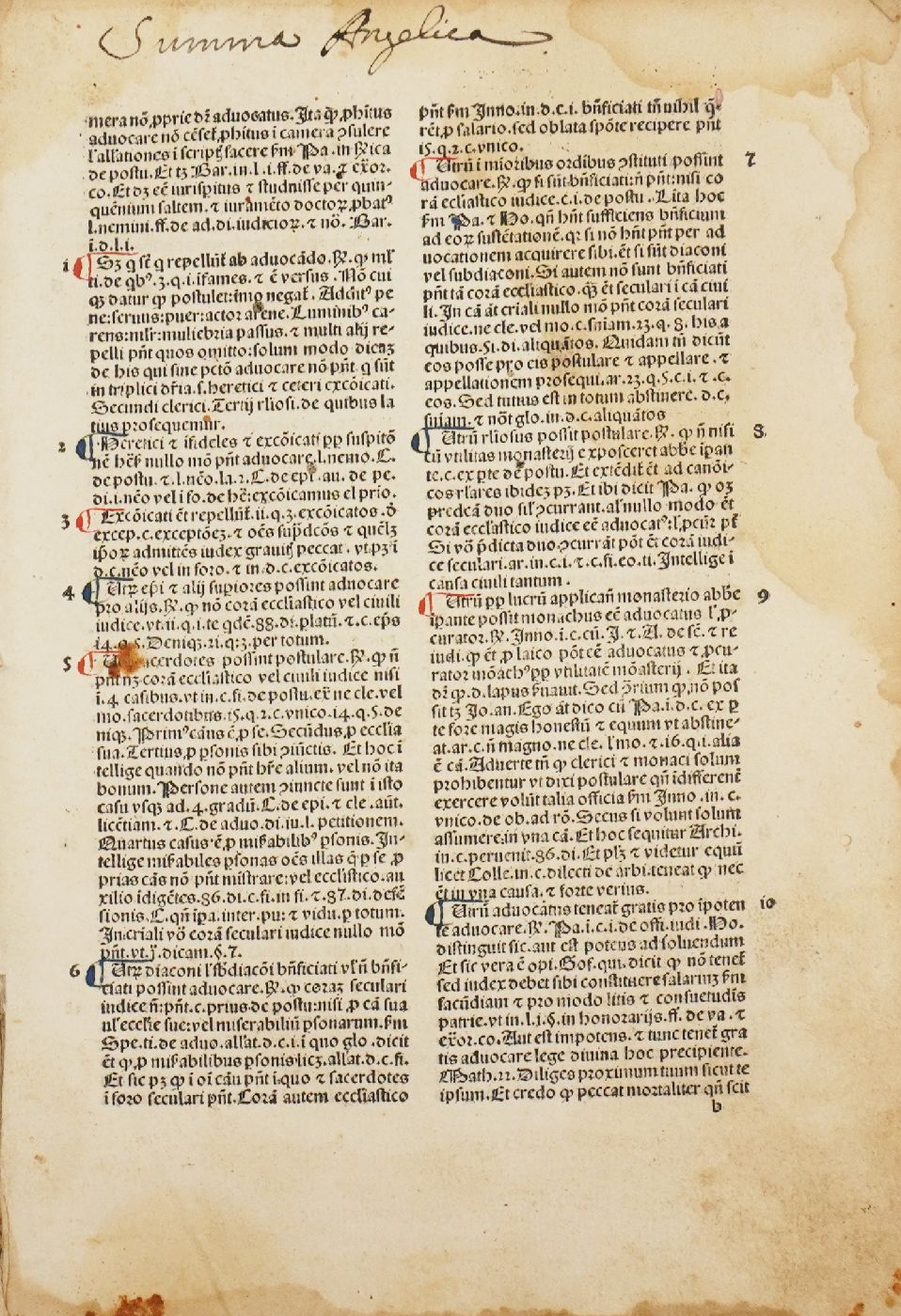
Angelus Carletus de Clavasio (1411-1495): SUMMA DE CASIBUS CONSCIENTIAE, Chivasso, 1486

Description

Chivasso, Jacobinus Suigus de Suico, 1486

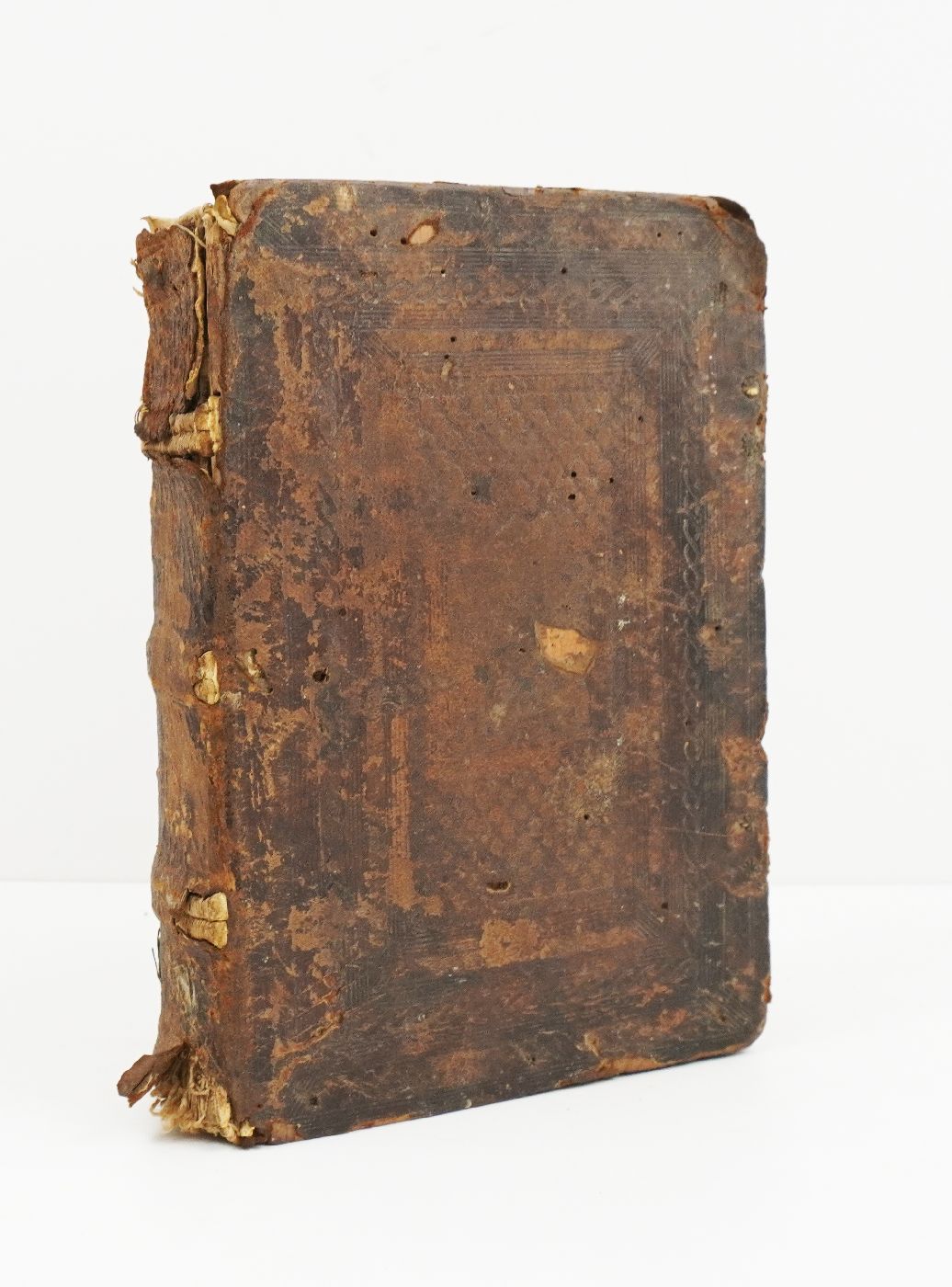
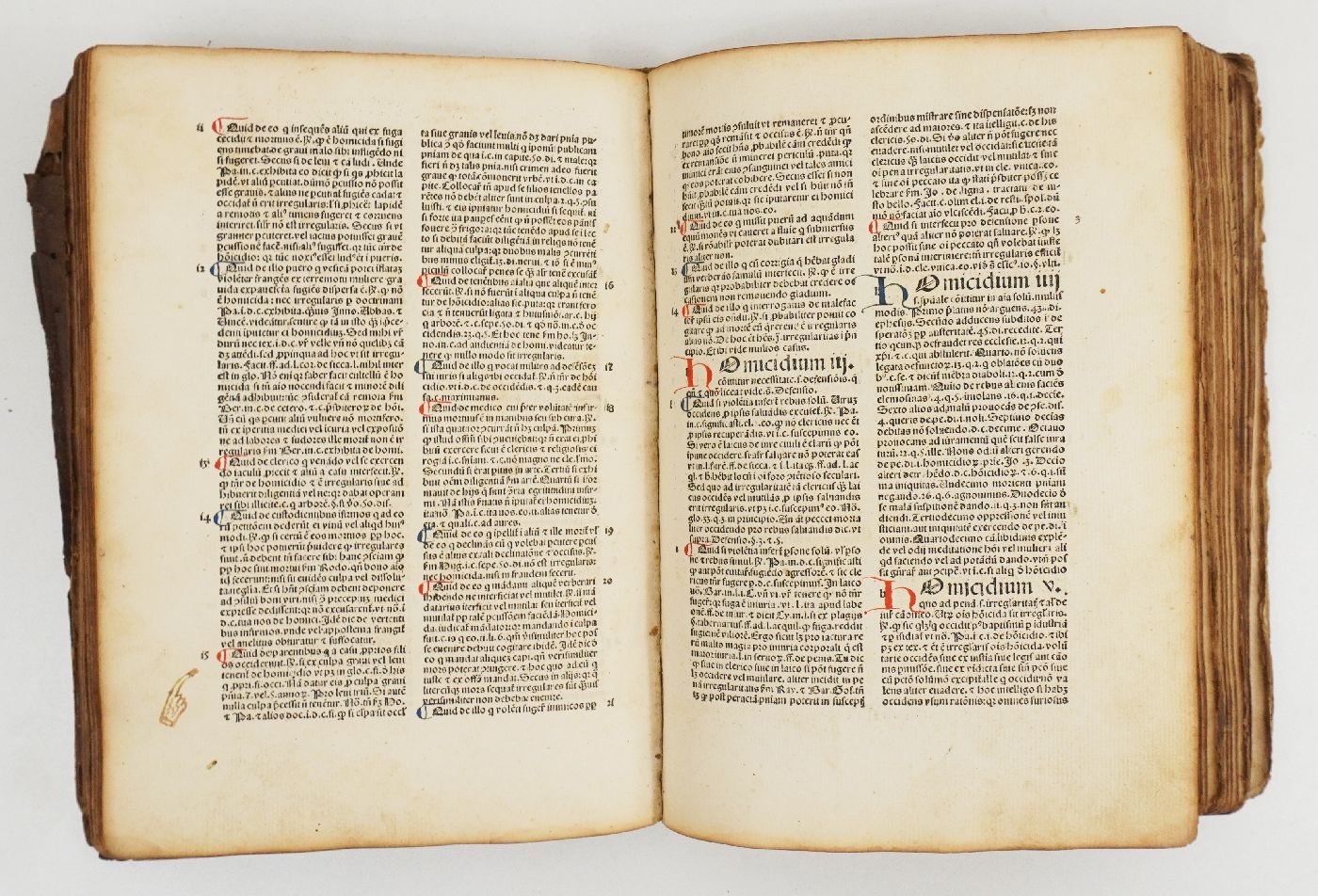
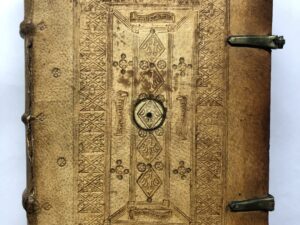
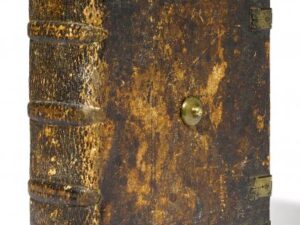
Quarto (22 x 16 cm); 372 unnumbered leaves (out of 388), text printed in Gothic type in two columns, entirely rubricated in red and blue, the final gathering is loose; contemporary creasing, waterstaining, occasional small wormholes, and ink stains on leaf z1. Contemporary, likely Piedmontese or Ligurian, brown calf over wooden boards with blind-tooled decoration and raised bands on the spine, damaged and worn.
 

Comments

First edition of the “Summa Angelica”, a foundational work by Angelo da Chivasso, theologian and vicar general of the Order of Friars Minor Obser­vant. This is the only incunabulum printed in Chivasso during the 15th century, preserved here in its original contemporary binding. Conceived as a true dictionary of moral theology structured into 659 alphabetical entries and inspired by John of Freiburg’s “Summa Confessorum”, the text enjoyed extraordinary publishing success. It went through at least 31 editions before 1520, the year it was publicly burned at the stake in Wittenberg by Martin Luther, who identified it as one of the most representative and dogmatic symbols of Catholic orthodoxy.

Provenance: Ancient handwritten ownership inscriptions are recorded on the flyleaves. Inside, there are two bookplates: the first bears the stamp/seal of an Italian religious congregation (S. Francisco di Pietra Santa); the second bears the stamp/seal of Paul Chapuy, a well-known mining engineer and collector.

Bibliography: GW 1923; ISTC No: ia00713000

Prima edizione della “Summa Angelica”, opera fondamentale di Angelo da Chivasso, teologo e vicario generale dell’Ordine dei Frati Minori Osservanti. Si tratta dell’unico incunabolo impresso a Chivasso nel XV secolo, qui conservato nella sua legatura originale dell’epoca. Concepito come un vero e proprio dizionario di teologia morale strutturato in 659 voci in ordine alfabetico e ispirato alla “Summa Confessorum” di Giovanni da Friburgo, il testo godette di una straordinaria fortuna editoriale. Registrò almeno 31 edizioni prima del 1520, anno in cui venne pubblicamente bruciato sul rogo a Wittenberg da Martin Lutero, che lo identificava come uno dei simboli più rappresentativi e dogmatici dell’ortodossia cattolica.

Provenienza: Si registrano antiche annotazioni di possesso manoscritte sulle sguardie. All’interno sono presenti due ex libris: il primo reca il timbro/sigillo di una congregazione religiosa italiana (S. Francisco di Pietra Santa); il secondo reca il timbro/sigillo di Paul Chapuy, noto ingegnere minerario e collezionista.

Bibliografia: GW 1923; ISTC No: ia00713000

Additional information

Author

Printer

Year

Provenance

Ex libris: S. Francisco di Pietra Santa; ex libris: Paul Chapuy